Description
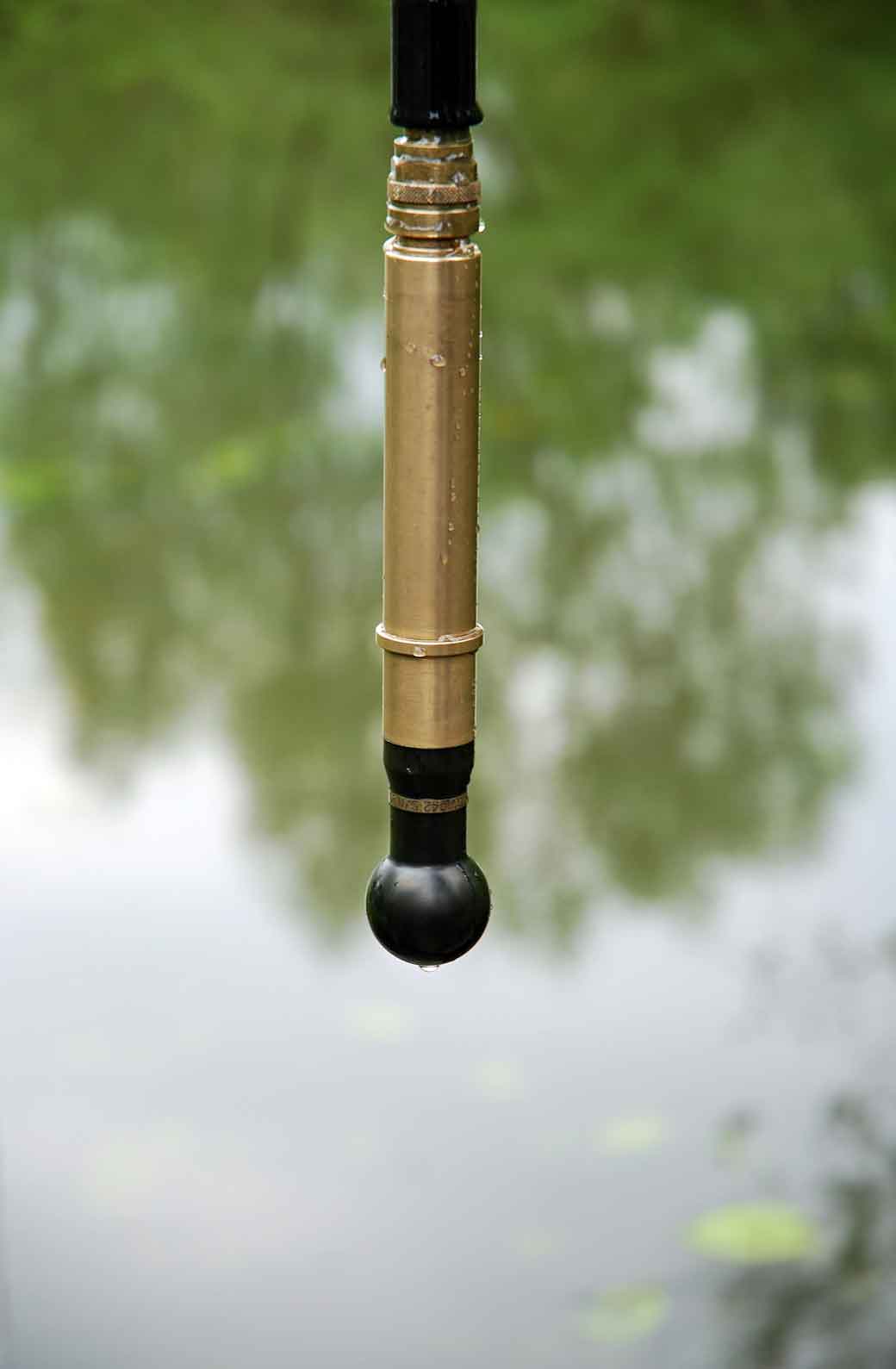
Passive Acoustic Monitoring (PAM) utilizes state-of-the-art hydrophone technology to detect and analyze underwater sounds. By integrating hydrophones with sophisticated acoustic processing systems, PAM enables the monitoring of marine mammals that produce a wide range of vocalizations, from the low-frequency moans of sperm whales to the high-frequency echolocation clicks of harbor porpoises. The implementation of PAM systems, coupled with comprehensive training, is essential in mitigating the risk of harm to marine mammals from offshore activities, such as seismic surveys and construction or decommissioning projects.
What will I learn?
- History of sound
- Sound in Water
- Marine Mammals and effects of sounds
- Anthropogenic Noise in the Sea
- Effects of Anthropogenic Noise on Marine Mammals
- Local and regional Mitigation Guidelines
- PAM and the Role of the Operator
- Marine Mammal sounds and Identification
- PAM Hardware systems and Operations
- PAM Software choices
- Set up and Deployment of PAM Systems
- Spectrogram set up and reading
- Techniques and methods
- Real-time Mitigation and Reporting
- Troubleshooting
This course demands a commitment of approximately 2 to 4 hours of study per day or week, contingent upon the student’s pace and certification requirements. The curriculum encompasses watching instructional videos, participating in quizzes, and completing assessments. The total duration of the video content is approximately 3 hours and 56 minutes, which have to be watched.
Upon successful completion, participants will be awarded a Certificate of Achievement.
This course is specifically designed to support Marine Mammal Observers (MMOs) in enhancing their skill set, thereby improving their job prospects and positioning them as leading candidates in the industry.
________________________________________________________________
We would like to remind you that all quizzes within our training program are automatically graded by the system. This ensures consistency and fairness for all students. Our training courses are held to a 100% accuracy requirement, meaning that full comprehension of the lesson material is expected before a quiz can be successfully completed. This standard exists to uphold the integrity of the qualification and to ensure all certified individuals are fully prepared for their responsibilities in the field.
To achieve this, it is essential that all lesson content and associated resources are read and understood before attempting the quiz. We have observed repeated attempts by some students without sufficient review of the materials, which can hinder meaningful learning outcomes.
Please also be advised of the following important system rules:
-
Each quiz attempt overwrites your previous attempt. For this reason, we are only able to review your most recent submission.
-
If a student attempts a quiz five times without success, the system will automatically flag this activity for review by course moderators and facilitators.
-
At that point, we may need to regress your course progress to earlier sections to ensure the material is properly understood before continuing.
Additionally, we are unable to provide the correct answers to quiz questions. Doing so would compromise the purpose of the assessment and the professional standards our certification represents.
If you believe you have encountered a technical error, please include specific details such as the question number, your chosen answer, and a description of the issue, and we will be happy to investigate.
We encourage you to take the time to thoroughly revisit the lesson content before attempting the quiz again. This approach will better support your success in the course and your professional development overall.